
Beaver behaviour and constructions
Beavers are master builders whose structures shape entire ecosystems, earning them the title of a keystone species.
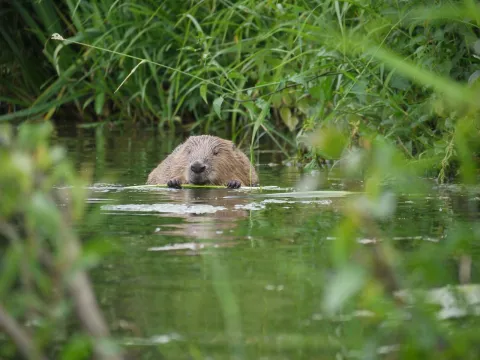
© W. de Koning
Page content
Beavers are known for their ability to shape the landscape. They build structures like burrows, lodges, dams, canals, and food caches. These constructions allow beavers to adapt to different environments and meet their needs for food, shelter, and safety.
Because of their impact on water systems and biodiversity, beavers are often described as ecosystem engineers or keystone species. Their work can benefit other species and their environment, including humans, by improving water retention, reducing flood risks, and supporting wetlands.
Burrows and Lodges
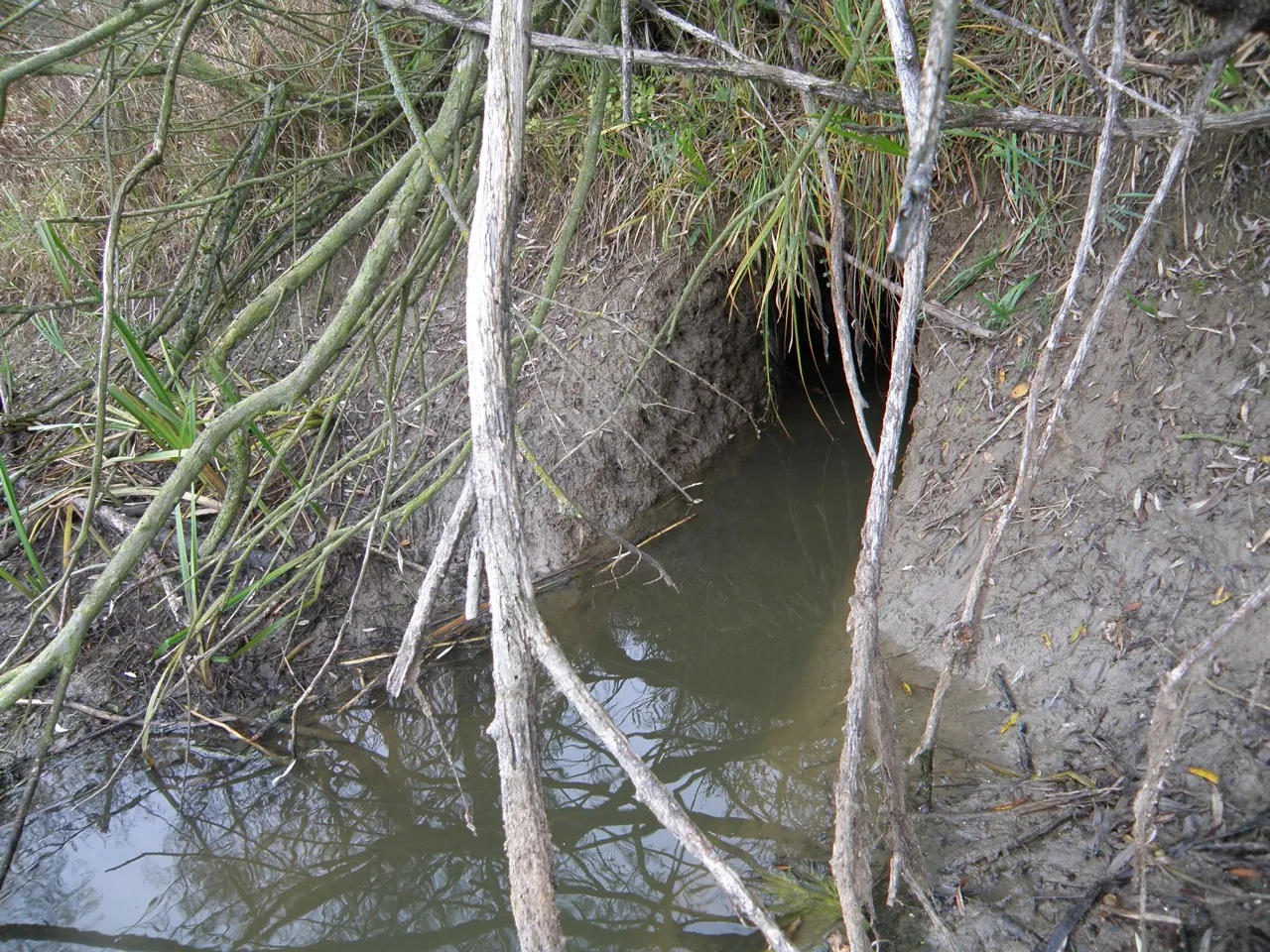
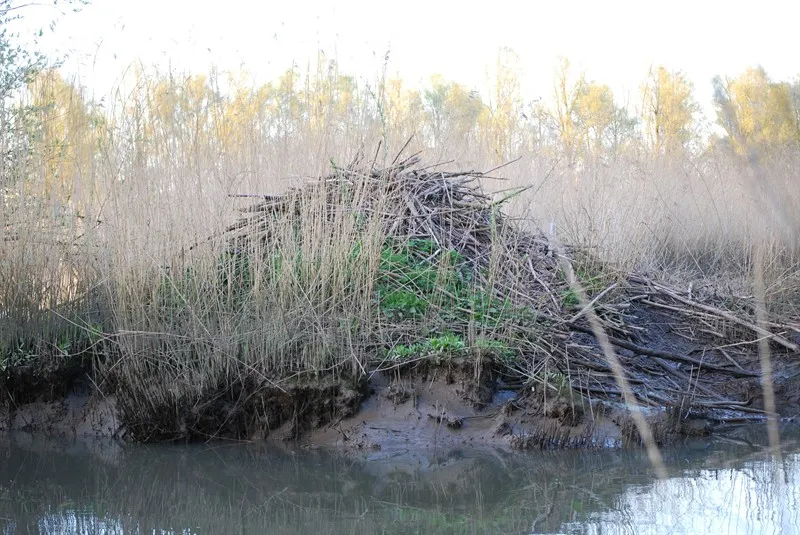
Depending on water depth and the characteristics of the bank, beavers either dig burrows or construct different types of lodges. For safety reasons, beavers place the entrance to their living chambers below the waterline, creating a water seal that prevents predators from entering.
- Burrows are tunnels dug into steep, firm riverbanks—usually in clay or under tree roots (Figure 1). Main burrows can become large tunnel systems with separate champers for feeding and sleeping, interconnected by passageways.
- Lodges are dome-shaped structures made of branches and mud (Figure 2).
These are used when banks are not suitable for burrowing or to reinforce burrows. - Island lodges are built as freestanding structures in open water, more commonly seen in North America.
Dams
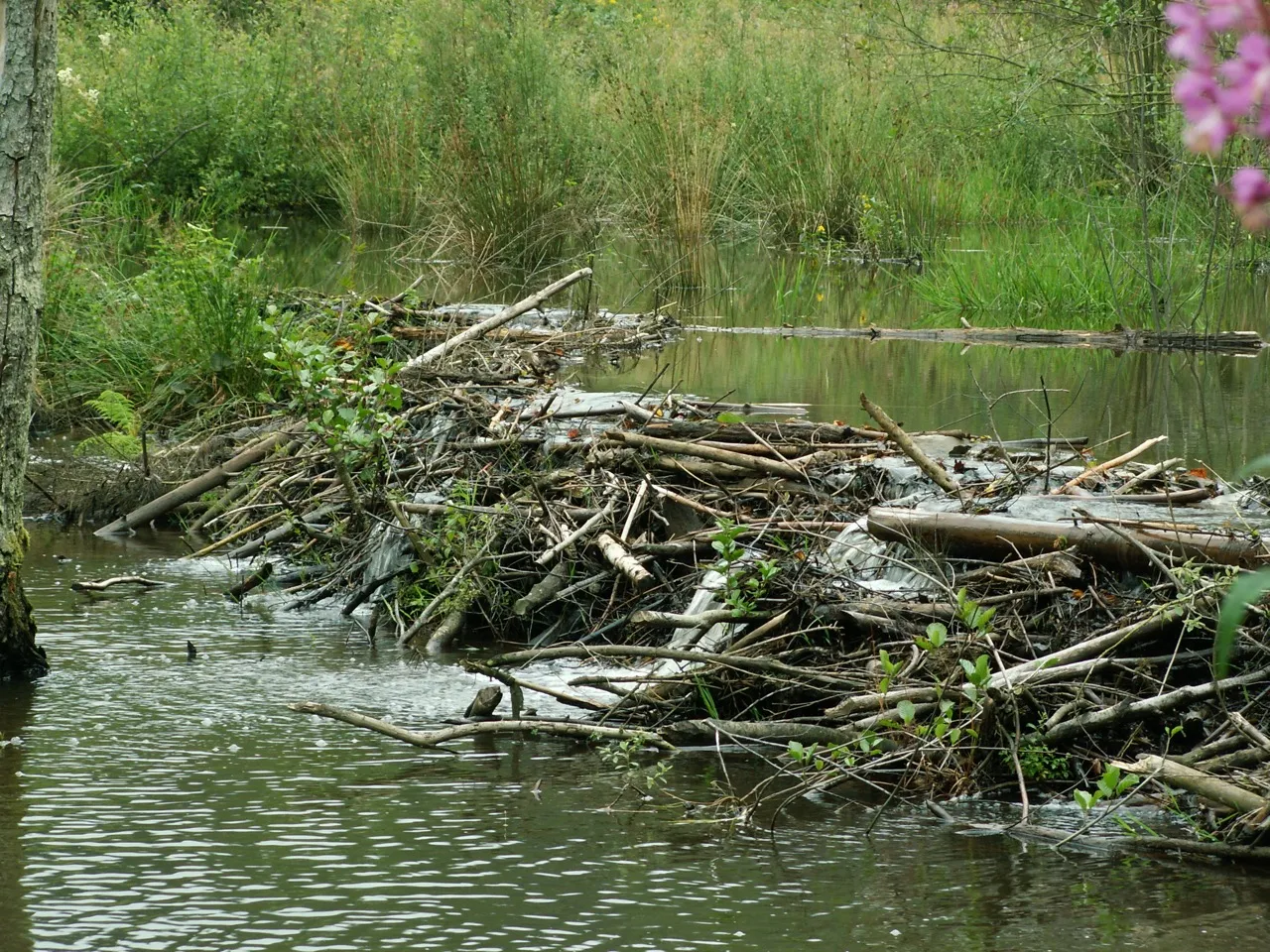
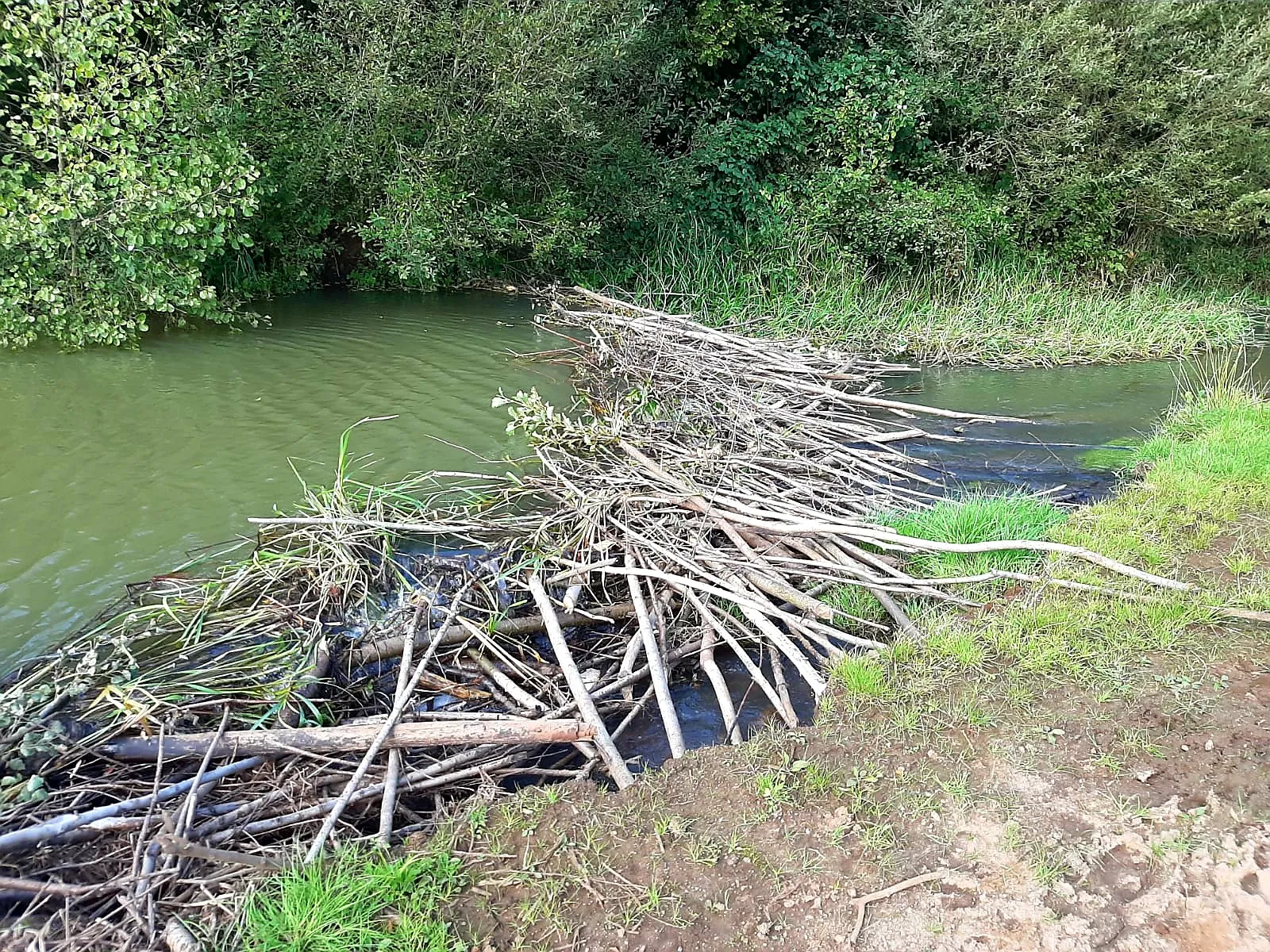
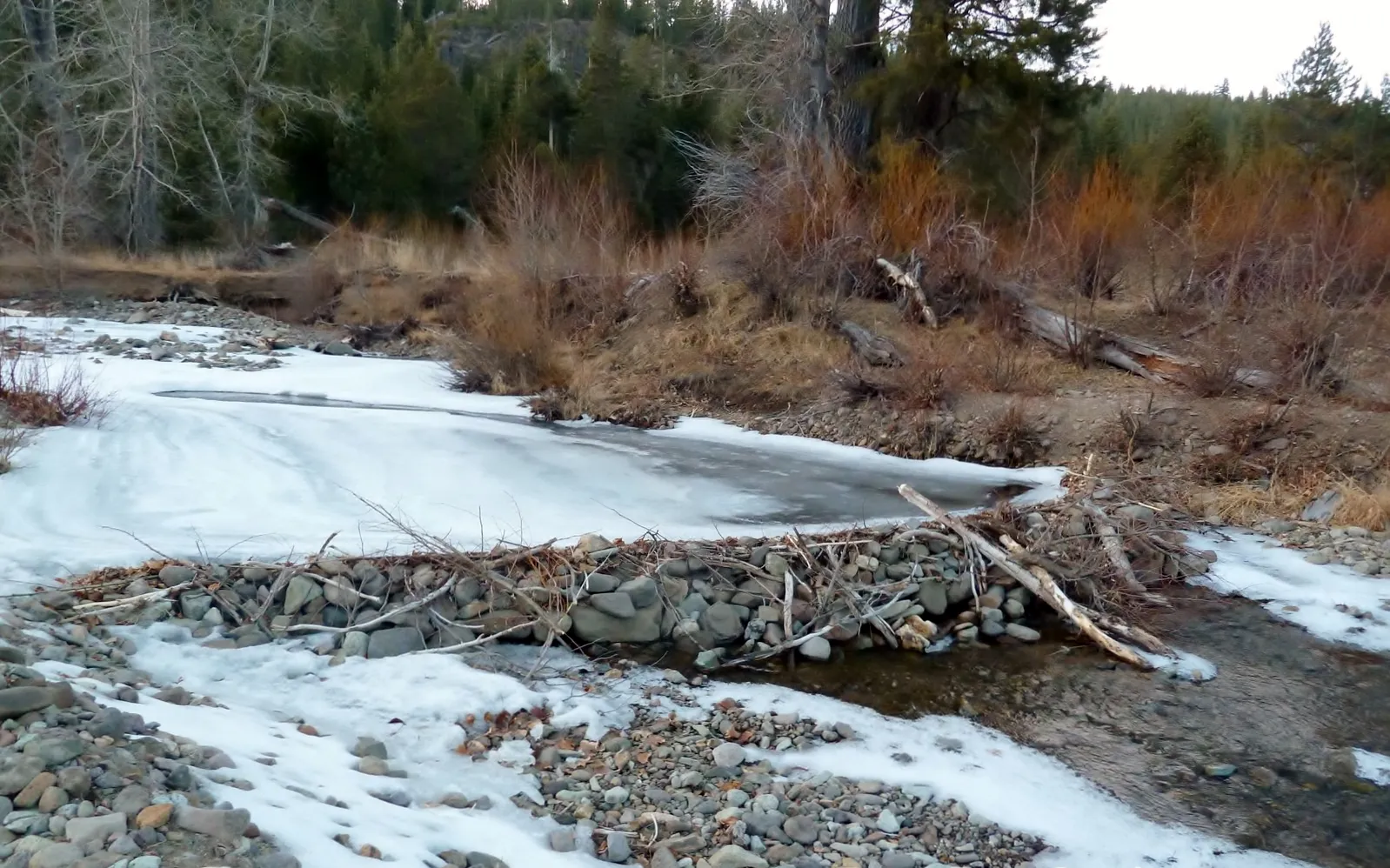
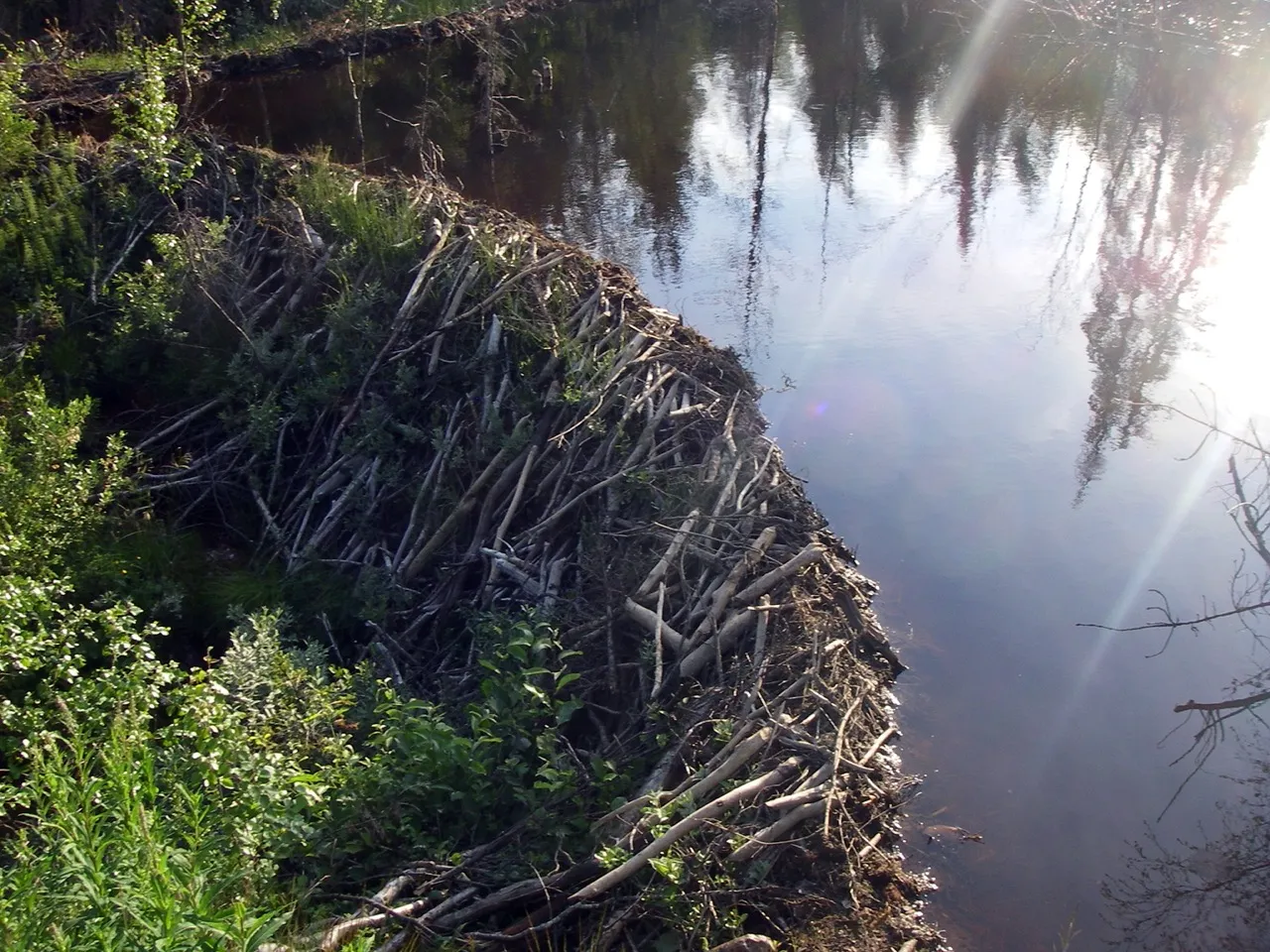
When environmental conditions are not ideal, beavers can build dams to stabilise and raise water levels (Figures 3, 4, 5, and 6).
Beaver dam facts
- Dams are built from mud, reeds, and branches.
- Dams can be built in slow-moving streams that are less than 6 metres wide.
- Size and height vary based on landscape and water flow and can range from 10-100 metres in length to 1 - 3 metres in height.
The largest known beaver dam is located in Wood Buffalo National Park in Canada and is almost 800 metres long. - Dams help keep lodge or burrow entrances submerged.
- They allow beavers to expand wetland areas and gain access to food resources further from the original water's edge.
Other Constructions
Beavers also create other types of structures for survival and movement.
- Canals help beavers transport branches and move safely between feeding and building sites.
- Food caches are piles of woody branches or plants stored for winter.
- Day nests, or lairs, are temporary resting places often used during the day.
Further Reading
Explore more about beaver biology on the Beaver Trust website and visit our Learning more and Library pages for additional resources.